Pagani Parle Musique
the podcast
Dominique Pagani’s podcast, released weekly in spring and summer 2022: Mozart, Mulligan, Tchaikovsky, from Bach to the Pygmies, John Lewis, Beethoven, Bartók, Wagner, Nietzsche, Schubert.
- 01

Introduction to the podcast
What can we expect from speaking about music, and why deprive young people of music they are being denied?
- 02

Polymorphously perverse Mozart
How does Mozart's music unite libertinism and generosity, comedy and true emotion, gaiety and melancholy?
- 03

Free gold for everyone: Mulligan
How should one listen to a baritone saxophone solo against a big band, using the landmarks of jazz history and the range of the instruments?
- 04

Tchaikovsky: from the steppes to the Midwest
What is a concerto, and what does the slow movement of Tchaikovsky's Concerto No. 1 reveal about Russian music?
- 05

From Bach to the Pygmies
Do the common divisions between tonal and modal music, learned and popular, classical and jazz hold up to scrutiny?
- 06

John Lewis: classical or jazz?
Does John Lewis's music belong to classical or to jazz, and is jazz not the true classical music of the twentieth century?
- 07

Tipsy Beethoven!
How does the scherzo of Beethoven's "Archduke" Trio unite popular and learned music?
- 08

Bartók: the unheard-of sound
By what paths does contemporary classical music become avant-garde, and how does Bartók renew it through popular music?
- 09

Wagner: the truth of pure music
What does music say when it says nothing, and how does instrumental music express what words dare not say?
- 10

Nietzsche: no pity for Wagner
Why does Nietzsche, after condemning Parsifal as a Christian betrayal of the Greek ideal, recognize in its music the truth he had refused?
- 11
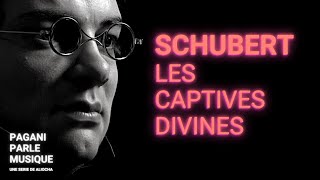
Schubert: the divine captives
How does music enter into time only to leave it, bringing back the past to the point of touching a kind of eternity?